Blog

  • Nostalgia Audio Tesseract review

    Excellent balanced tuning for modern music lovers
    ProsExcellent soundstage width
    forward detailed upper mids
    very good treble air and energy
    excellent packaging
    striking unique design
     
    ConsFaceplates can have issues staying on
    Lack of subbass and bass punch
     
    Nostalgia Tesseract is a limited edition 150 unit run that served as their former flagship (their current one is Pendragon). It is a 10 BA, 6EST driver IEM for a total of 16 drivers, retailing for $3700 USD. I tested this IEM using Lotoo Paw Gold as the source.

    556475105_1953962508729082_1030770443418845726_n.jpg


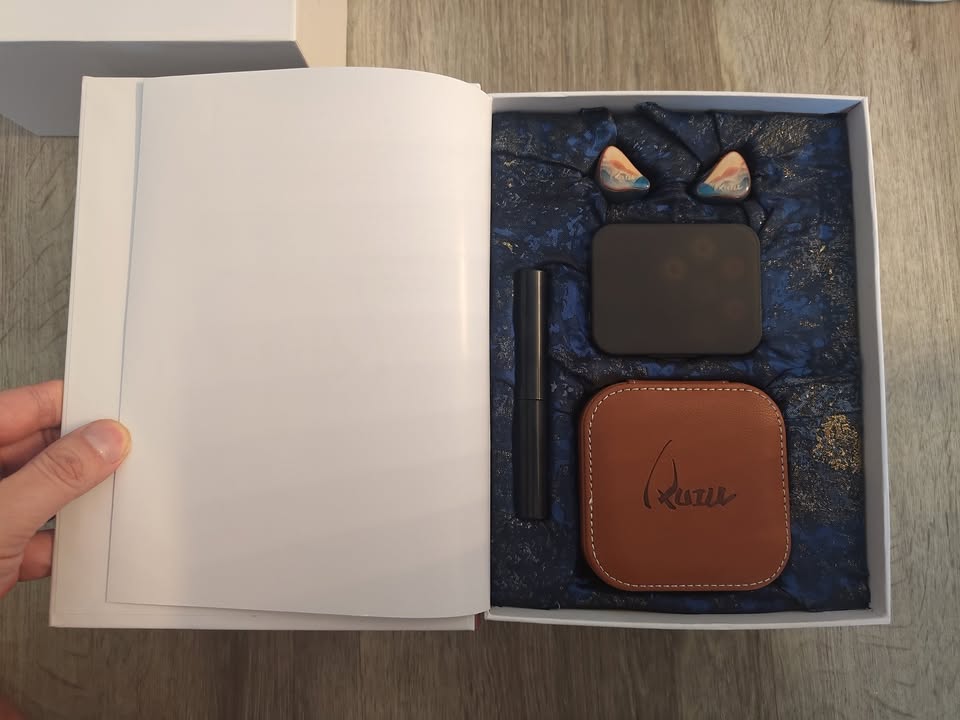
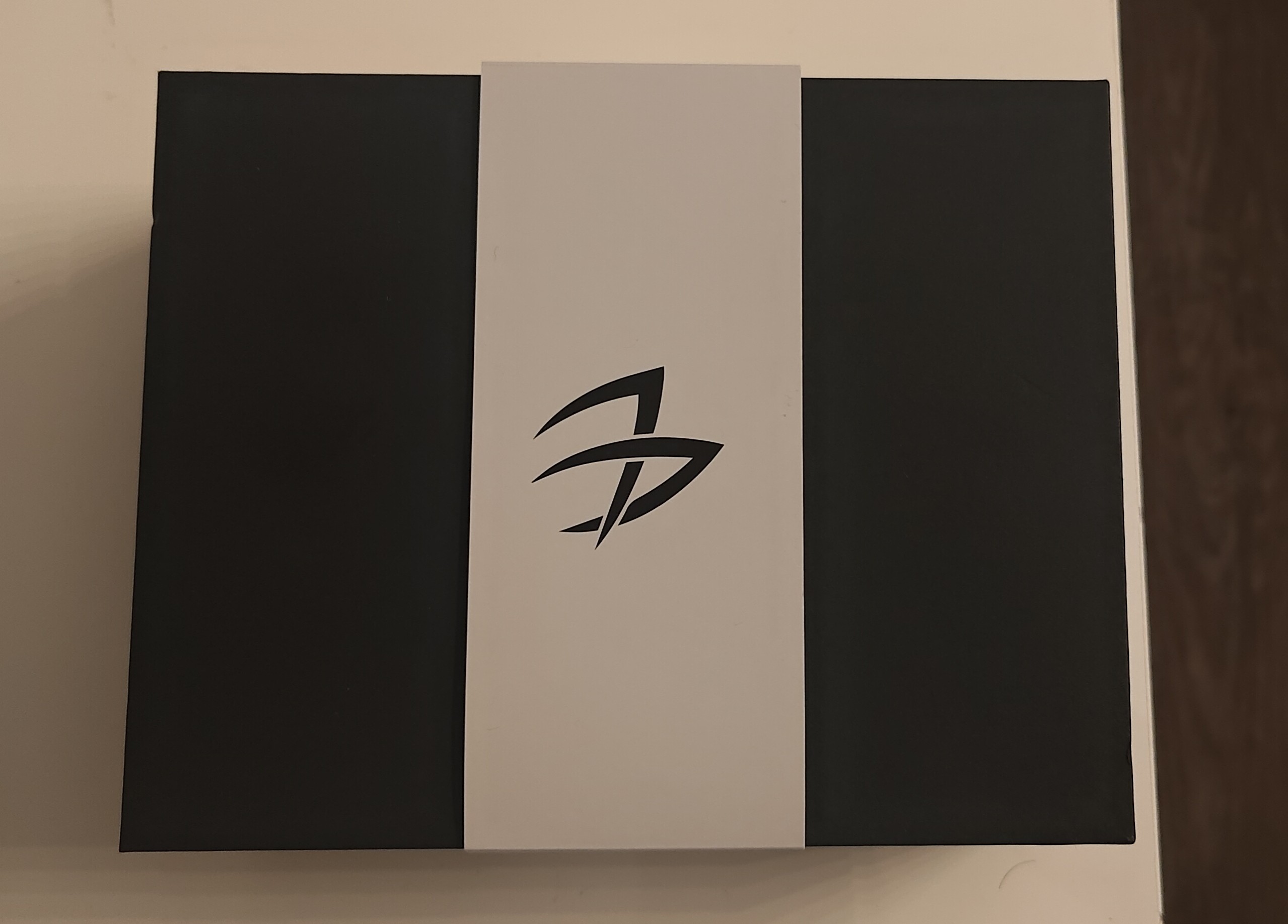
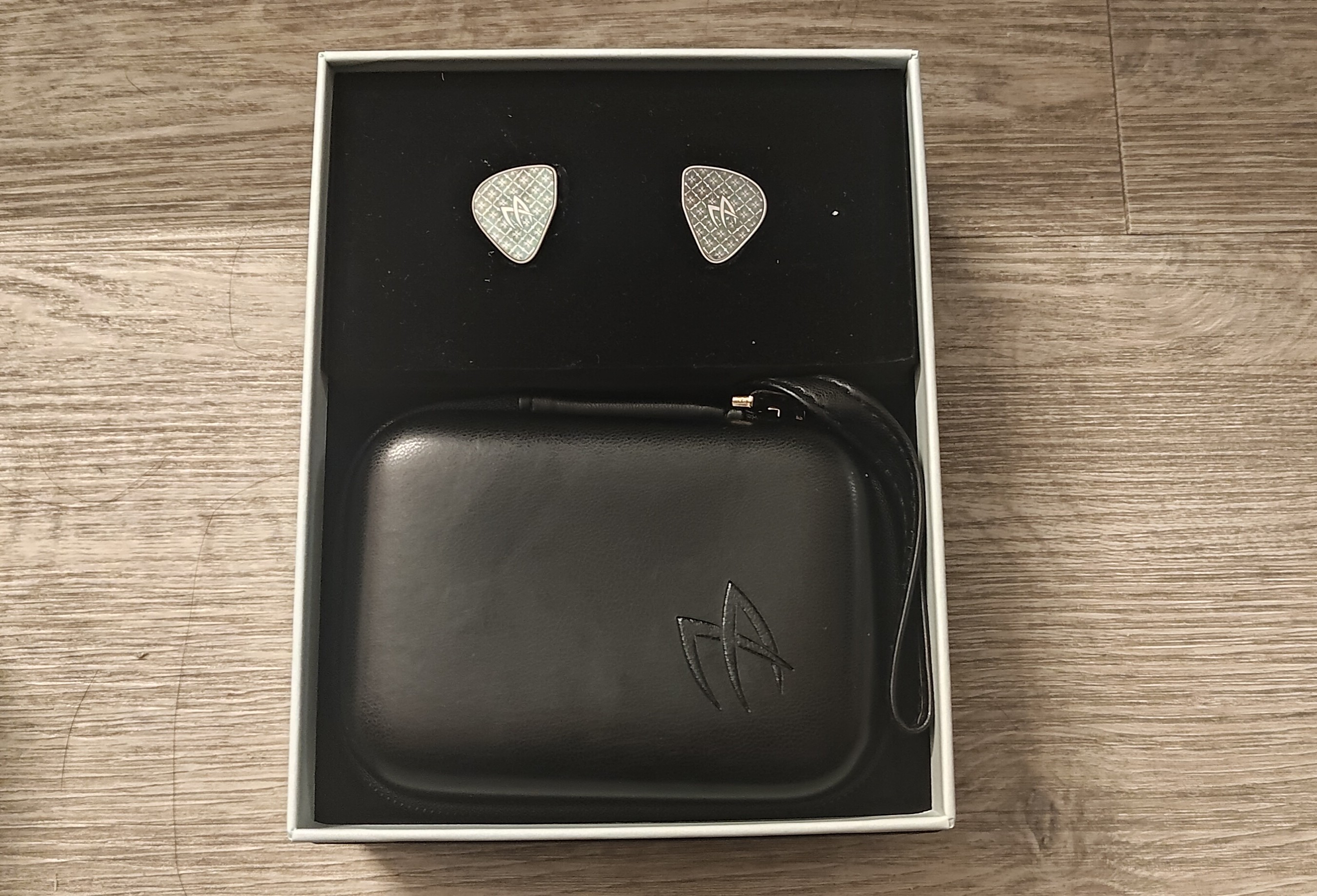
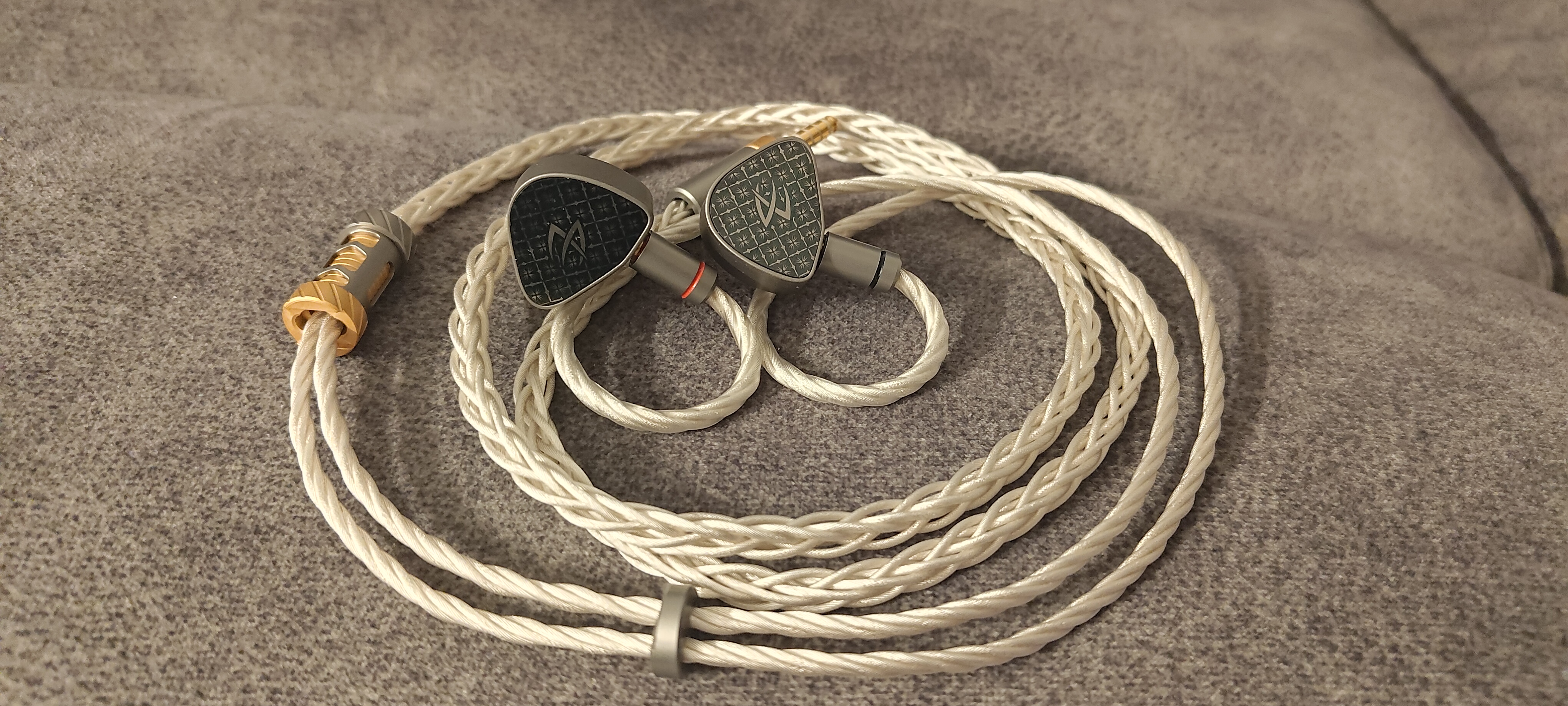
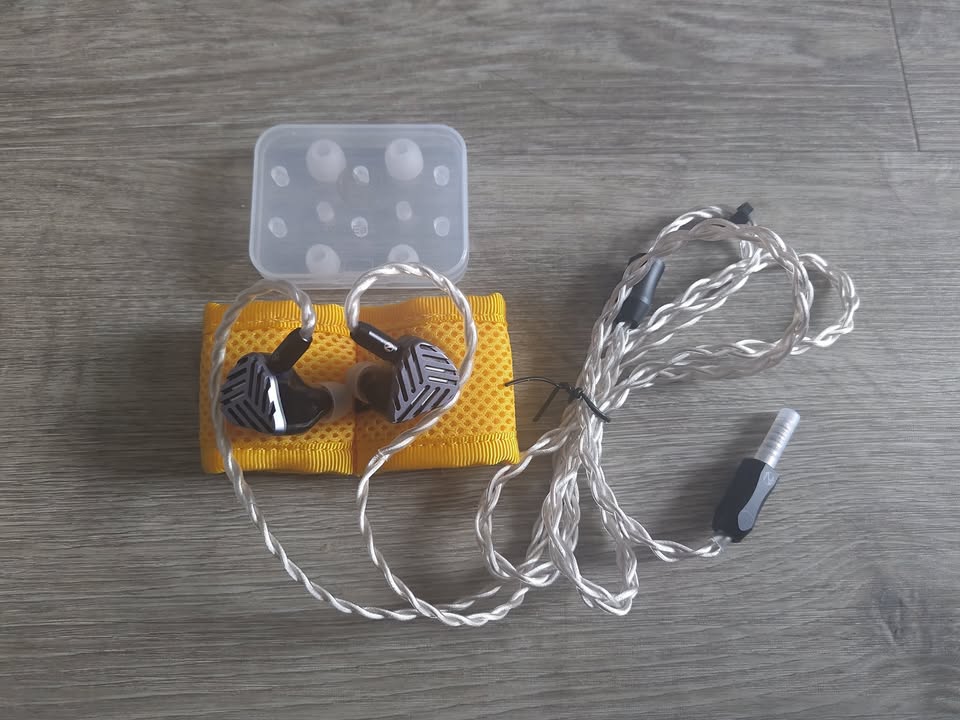
    I didn’t get the packaging with mine as I got mine second hand, but the actual packaging of the Tesseract is literally a work of art – it displays a cyberpunk version of HK and can even be used to display around the house. The carrying case is pretty nice too and follows the theme of the IEM design. Mine came with Nostalgia XWB tips and the Tesseract custom silver cable.
    557553230_1523956748611115_1676284448822377743_n.jpg


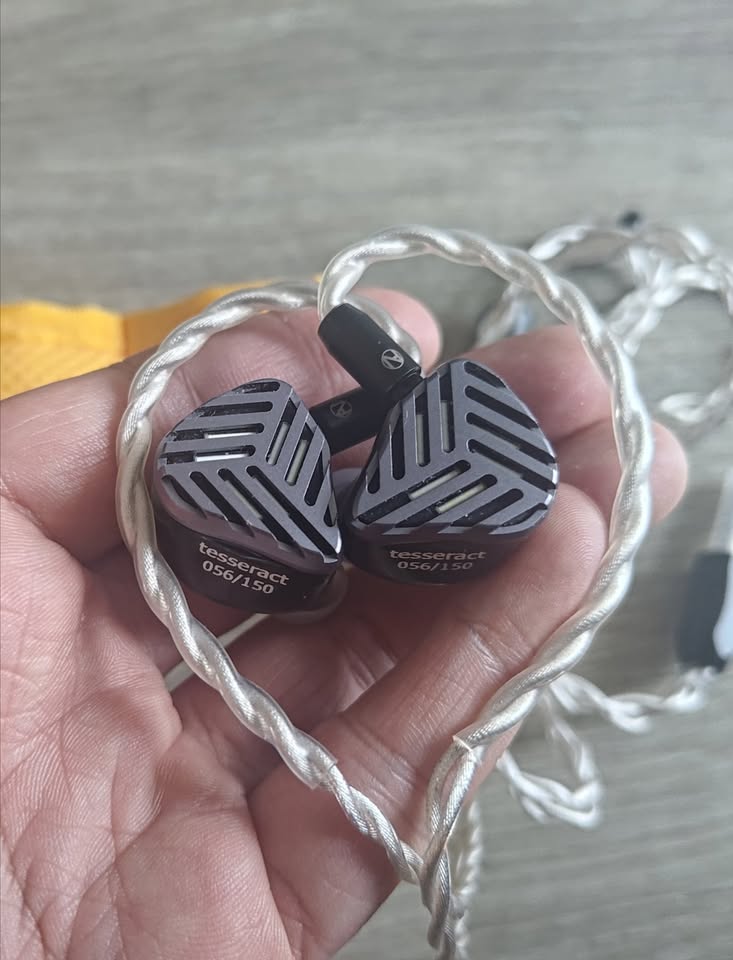
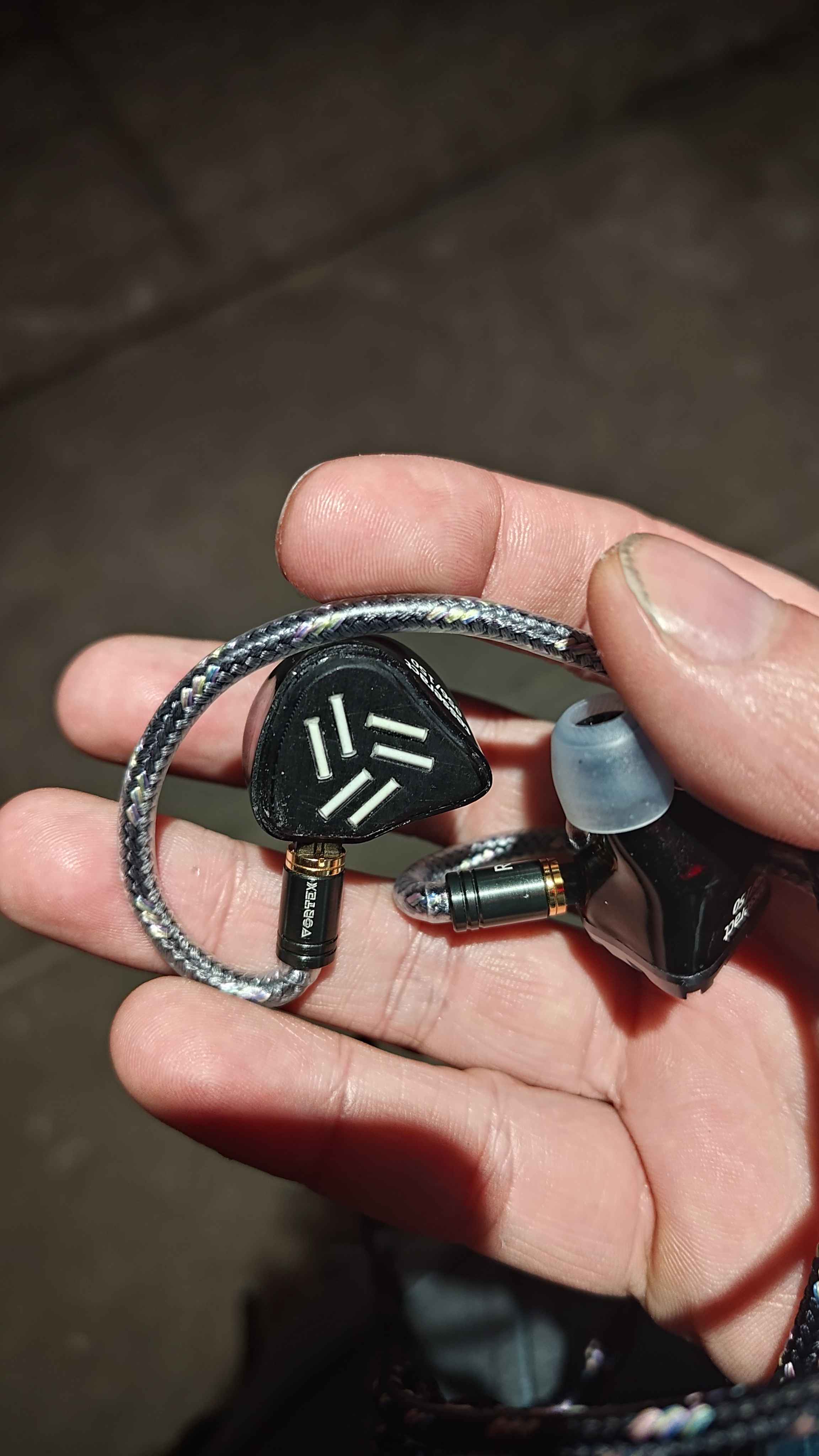
    The IEM itself has a striking eye catching design with the slotted faceplates that reveal strips that light up in the dark and under natural lighting. It’s one of the most distinctive unique designs I’ve seen on an IEM. However the faceplate itself is not glued to the shell and can actually fall off if not careful.
    P_20251130_165614.jpg


    See what happened to my faceplate after using it for a walk?

    Bass:

    The bass might be the weakest part of the Tesseract as it’s clearly BA bass and lacks the punch, slam and delivery of dynamic drivers and furthermore subbass extension is non existent. It’s got good quantity of mid bass but just wish it had better quality.

    Mids:

    Lower mids recessed, Upper mids very forward and this is a common tuning amongst many IEMs now. The mids are nonetheless quite detailed and engaging, so I think this is a good strength of Tesseract.

    Treble:

    Treble extension is good and sounds very airy thanks to 6EST, and are never harsh or fatiguing, just very well controlled. Overall a very good treble implementation.

    Technicalities:
    Tesseract has very good soundstage width and in fact one of the widest for a $3k IEM. It might not be a detail or resolution monster but the mid and treble detail is still very good.

    Overall, Tesseract is a nice balanced lean harman tuning where it sounds good for a lot of modern pop and electronic music. It has top in class soundstage and upper mids and well controlled treble, just wish the bass quality was better.

  • Quill Acoustics Satin review

    An excellent debut IEM for Quill
    ProsGreat subbass extension
    Nice detailed forward upper mids
    Good airy treble
    Superb technicalities
     
    Conssoundstage width is lacking
    can feel a bit harsh and fatiguing on certain tracks
    build quality isn’t great
     
    The Quill Acoustics Satin is the debut IEM from the MusicTek venture Quill Acoustics. It is a 10 driver quadbrid 7BA, 1DD, 1BCD, 1MP configuration and retails for $3300 USD. I reviewed this using Lotoo Paw Gold as my source. Keep in mind Satin takes a good amount of power to drive thanks to those micro planars.

    561439702_784625047824799_5324068138051731156_n.jpg


    561245634_25712027861720852_3715888795673711679_n.jpg


    sowm9kc38srf1.jpeg


    The Satin comes with a box with a written foreward by it’s co-engineer Leo from MusicTek. It includes a case with 4 different pairs of eartips, a cleaning tool for tips, a nice leather case with a custom PW Audio cable inside. The IEMs themselves look really nice with a beautiful sand dune inspired design on the shells – however the build quality itself has some issues with a few of my friends experiencing chipping on the nozzles so be aware of that.

    Bass:

    The subbass quantity and quality on the Satin is fantastic. It reaches very deep and has incredible depth and rumble to it. The midbass quantity is not so much but good enough to balance out the tuning of the IEM. I think this is definitely a more subbass focused rather than midbass focused IEM.

    Mids:

    The lower mids recessed, upper mids elevated is a common tuning in w shaped IEMs nowadays and Satin is no exception with pushed up upper mids being quite forward and quite detailed sounding. I think fans of vocals will be fine here as the mids definitely have good energy.

    Treble:

    Satin also has pretty nice treble that is also slightly elevated and well balanced to my ears, however it *can* feel sibilant or harsh to some on certain tracks, but only certain ones. Most of the time, it feels fine.

    Technicality:
    Satin is not lacking for resolution or detail as it can compete with any $3k or $4k level IEM on detail retrieval. However the Satin’s soundstage is a fair bit narrower than other IEMs in its class – I was comparing it to Nostalgia Tesseract and UM Multiverse Mentor and Satin definitely cannot match up to them in stage width or depth.

    Overall the Satin is an excellent first effort from Quill, it checks all the right boxes and has a nice balanced tuning however I do wish the soundstage could be a bit wider and it *could* cause a bit of fatigue on some tracks. I also hope that Quill builds its shells better in the future as well as they do look really nice.
  • Mysticraft Myth review

    Best in class treble and technicalities for the price
    ProsBest treble on a $1k IEM I ever heard
    Bass is controlled with good depth
    Good technicalities for the price
    Solid build quality
     
    Consmids can feel lacking for some
    can feel fatiguing and overly energetic for some
     
    Mysticraft Myth is Mysticraft’s entry level IEM coming from their $9k flagship Hex. The tuning is very similar to Hex. It is a 7 driver tribrid with 1DD, 4BA, 2 MP drivers and retailing for $1000 USD. Mine came with the upgraded Elise SPC cable for $1400. I used Lotoo Paw Gold Touch as my main source.

    P_20260114_022501_1.jpg


    P_20260108_180026_1.jpg


    The accessories are 5 pairs of Divinus Velvet tips, a stock copper cable and a nice leather carrying case. As mentioned, I also got the upgraded Elise silver plated copper cable with it.

    P_20260108_184729.jpg


    The Myth’s build quality is fantastic with titanium shells and a very solid feel. It does not use the common 2 pin connector and instead uses MMCX like connector instead.

    Bass:

    The Myth has very good mid bass quality although it is not too much in quantity. It is only slightly elevated above neutral level but has good depth and texture. It also has nice subbass extension and rumble too thanks to that dynamic driver.

    Mids:

    The main weakness of the myth in my opinion. The mids are merely ok and while upper mids are a bit forward, overall the mids feel lacking in energy and detail compared to the fantastic treble and bass.

    Treble:

    This is the calling card of Mr Lee at Elysian/Mysticraft. The treble is detailed, airy and well extended and has probably the best presentation of any treble I’ve heard around the $1k price range. It is very very good.

    Technicalities:
    It has above average soundstage width and depth and detail and resolution all around rivaling that of IEMs in the $2k price range. It is surprisingly very competent with imaging and stereo separation.

    Overall the Myth hype is real. It is a best in class energetic lean v shaped IEM for the $1k price point. It is not necessarily the best for vocal lovers because of the weakness in mids, but people who love energetic treble and electronic music will love this IEM.
  • Unique Melody Multiverse Mentor review

    Fantastic tonality well balanced flagship
    Prosvery good BA bass
    great technicalities
    smooth non fatiguing listening experience
     
    Consmids could be lacking enough presence for some
    could use more subbass extension
    alot of variations in shells could make it difficult to find the right color
     
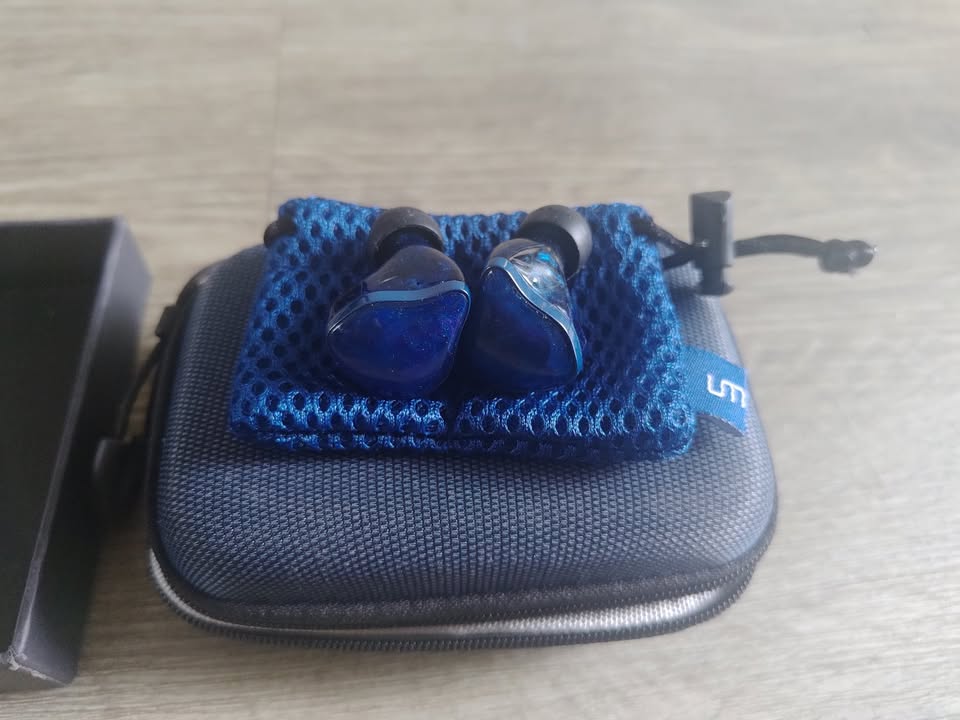
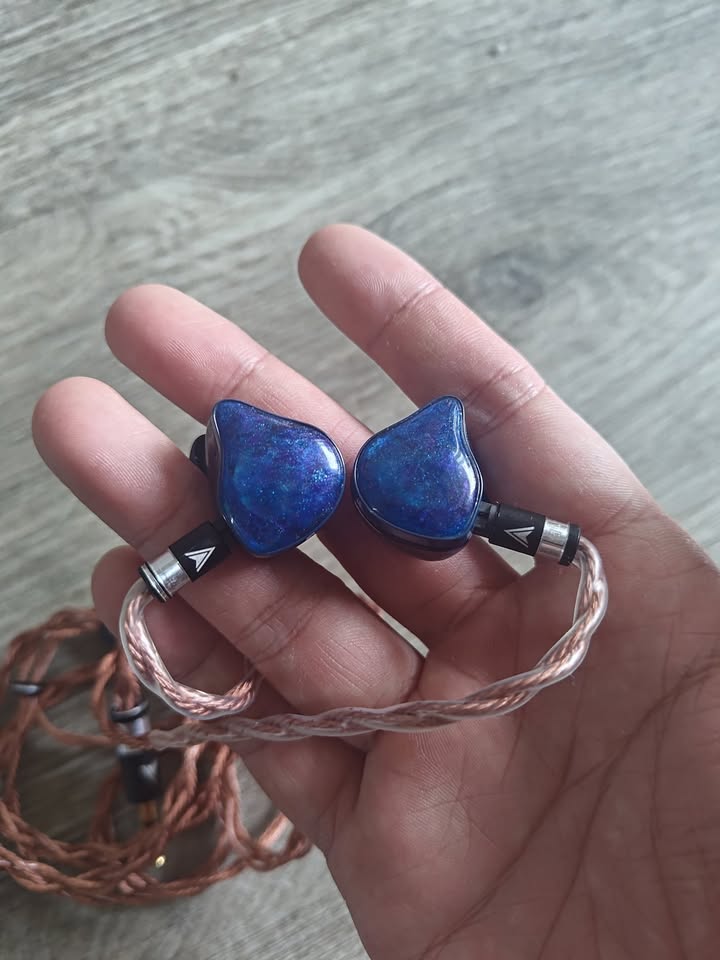
    The UM Multiverse Mentor is UM’s de facto general flagship IEM – they have more specialized IEMs that retail for more i.e Amber Pearl, all the different Masons etc but those are all esoteric tunings and the Multiverse Mentor is likely the flagship that has the widest appeal in terms of its tuning and availability. They come in several different shell colors – I have the uncommon pure blue version. It is a 13 driver IEM – all BA and retails for $4500 USD. My source for this review is Lotoo Paw Gold Touch and I used the Effect Audio Chiron and Astral Acoustics Pulse cables with them.

    556914407_566656129838892_6487807814867969154_n.jpg


    556399185_826089029762444_2189812819151809636_n.jpg


    Bass:

    MM produces very good bass considering it’s BA bass it has good control, texture, slam and quantity without feeling overwhelming however it still lacks subbass extension considering it’s not a dynamic driver

    Mids:

    Mids on the MM are very good, clear with good texture however could be thin sounding for some given the heavier emphasis on the bass and treble. Overall it’s still quite good but not the best in class mids and unlike alot of other IEMs the upper mids are actually not that pushed up on these.

    Treble:

    Treble is articulate clear and has good extension and is not overly harsh or fatiguing. It is very controlled and presents good balance for the bass and mids without feeling overdone.

    Technicalities:
    It has top class soundstage depth and width and very good detail all around as expected for a $4k summit fi level IEM. Not too much to complain about here.

    Overall, MM is a very good well tuned IEM across the board and well balanced with good bass, mids and treble separation with nothing feeling too overdone or recessed. It is definitely an endgame level IEM for a lot of peoplel
  • FLC Shirasawa review

    Fantastic harman tuned IEM with great technicalities for the price
    ProsHarman tuning that sounds great for pop and vocal genres especially
    Great technicalities that rival that of $1k IEMs
     
    ConsBass can be a bit much for some
    Not much for this price
     
    The FLC Shirasawas are a new release by FLC Technology, which is most well known for the FLC8s tunable IEMs that was released back in the mid 2010s. They don’t release new products often. The Shirasawa is a 1DD 4BA driver IEM that retails for $250 USD. My source used for review is the Lotoo Paw Gold Touch.

    613688822_823339277395634_3943879842619226563_n.jpg


    614619220_4221130888149115_3567205616877378650_n.jpg


    613614942_1818915782125532_2230229080658961739_n.jpg


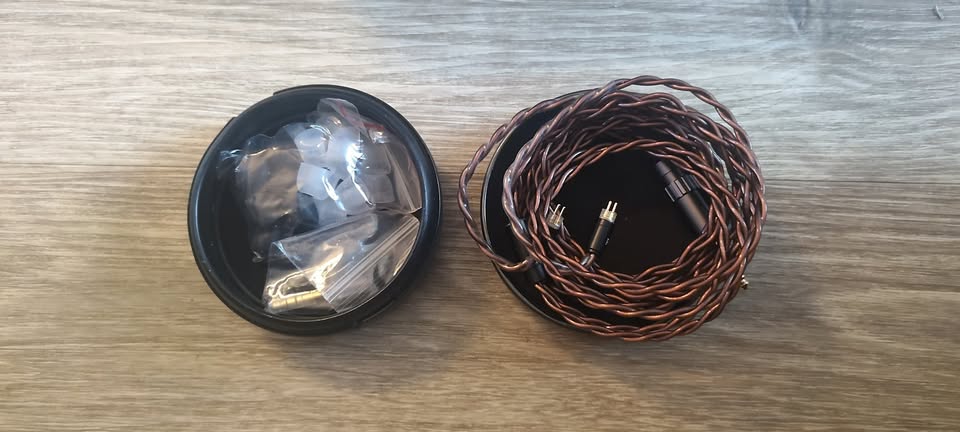
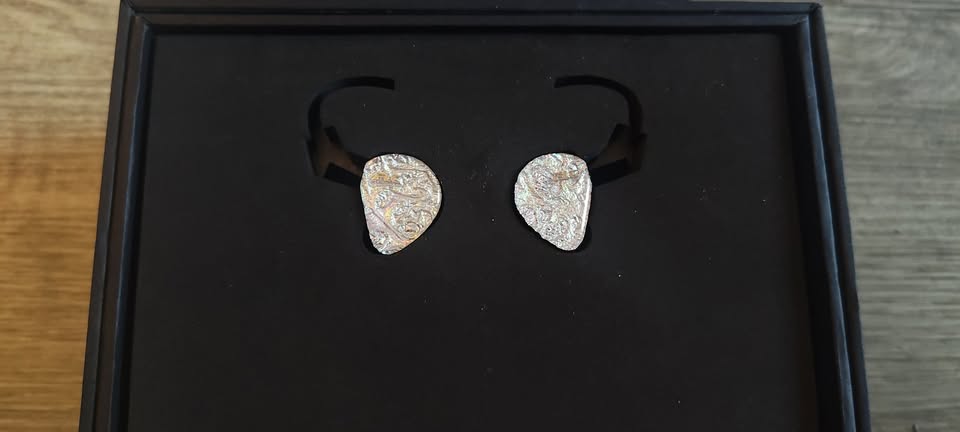
    The packaging comes with a puck style case, a copper cable and six pairs of silicone tips from XS to XL. The variety in sizes is nice to see. The IEM themselves have this snowy texture on them which looks pretty cool.

    Bass:

    The bass is probably the best part of this IEM. It’s got a good amount of midbass, and the bass has good depth, texture and slam. It also has a nice amount of subbass extension and rumble as well. The bass quantity might be much for some, but I don’t consider it basshead level exactly, just harman level bass.

    Mids:

    The mids are pushed up a bit for the upper mids, as is the typical harman / w shaped tuning. They have nice texture to them especially considering the price point these retail at.

    Treble:

    Treble has good extension and detail, and do not sound harsh, sibilant or fatiguing at all. Overall the treble is also tuned quite nicely to balance out the bass and mids.

    Technicals:
    The detail and soundstage of this $250 IEM rivals that of a $1k IEM like the Dunu Glacier and ThieAudio Monarch MK2s. It punches above its price in technicalities, and is very impressive.

    Overall I cannot say much negative about this IEM, it is a fantastic value IEM that will appeal to people who listen to mainstream pop and vocal music. It’s got a nice harman / w shaped tuning that will work well for modern music. The technicalities impress me the most at this price point as it rivals alot of $1k IEMs that I have tried before. I wish this brand would get more attention!
  • Vision Ears Phonix review

    A true endgame IEM with a fun energetic w shaped tuning
    ProsReally good bass (for a BA driver)
    warm forward mids
    very good detail overall
    excellent packaging and accessories
    excellent build quality
     
    Conssoundstage width is just ok
    subbass is still lacking
    can be a bit fatiguing to some
     
    The VE Phonix is the flagship IEM from Vision Ears. It retails for $4200 USD now (up from $3900 USD when it came out). It is a 13 driver IEM with all BAs – that’s typical of VE as they usually prefer to tune their BAs well rather than stick a bunch of driver types together. My source used for review is the Lotoo Paw Gold Touch.

    601128675_784061767988181_1158024304127858217_n.jpg


    600469745_1950848982127579_1457020428741102499_n.jpg


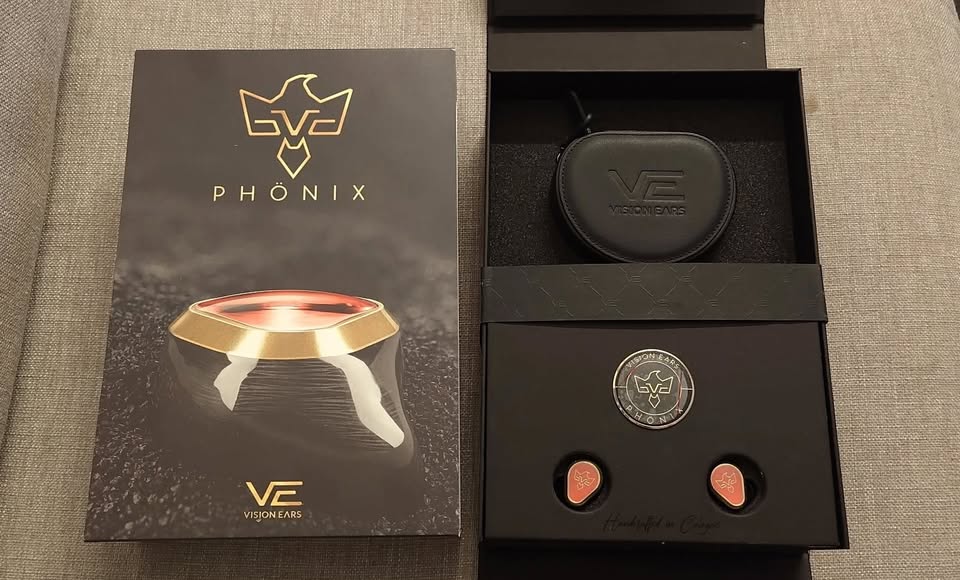
    The packaging and accessories are excellent. It comes with a somewhat average quality coppy cable, but it includes a nice leather case, a lanyard, business card wallet holder and AZLA sednafit SE1500 eartips – nice!

    zyko1f71719g1.jpeg


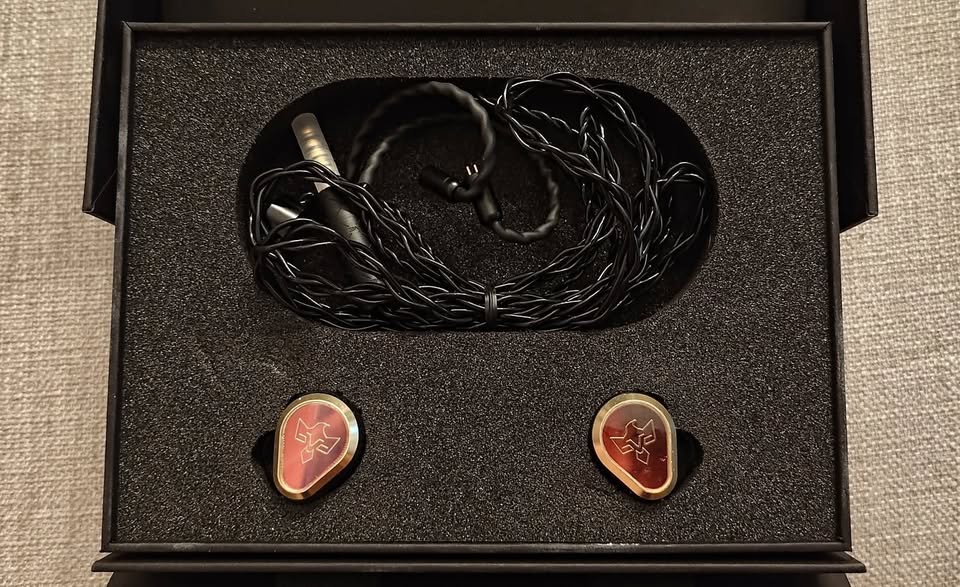
    The actual IEM itself is pretty nice with carbon fiber shell and glass faceplates. VE didn’t cut any corners for their flagship here and it shows.

    Bass:

    The bass for Phonix is actually very very good for a BA implementation. It’s very punchy and has that slam that we usually associate with dynamic drivers. It ranks amongst the best BA bass I heard along with UM Multiverse Mentor. However, the subbass is still a bit lacking because it is still just BA bass even though it’s as nicely implemented as I’ve ever heard, so the limitation of that is still there with not much subbass extension.

    Mids:

    The mids of Phonix is very forward and in your face. Singers sound like they’re right in front of your face and this might be a good IEM for those who want a very forward and warm vocal presentation.

    Treble:

    The treble is well extended and slightly pushed up which rounds out the w shaped tuning of this IEM. It’s not quite as impactful as the bass and mids are however, and I think the treble is probably the weakest part of the Phonix. Still quite good but not wowing me as much as the bass and mids.

    Technicals:
    The Phonix has average soundstage height and width for its price point – compared to IEMs like MM Multiverse Mentor or Nostalgia Tesseract, it will fall behind that level despite being a $4k IEM. However overall detail and resolution across the board is quite good.

    Overall the Phonix is an endgame level flagship IEM that is recommended for those who want probably the best all BA IEM which excels at both being dynamic sounding for energetic tracks due to its great bass texture and warmth and extended treble, but also for vocal tracks due to its forward mids. It’s only weakness being soundstage width is just average and it could be slightly fatiguing for longer listening due to how forward all the frequencies are.